Milford Top Hardwood Refinishing for Quality Flooring Solutions
Milford Top Hardwood Refinishing for Quality Flooring Solutions
Blog Article
High-End Hardwood Refinishing Services for a Beautiful, Durable Shine
Premium hardwood refinishing solutions present an effective approach for enhancing the functional and visual qualities of wood floors. These services utilize high-quality materials and professional techniques, delivering a finish that is both attractive and resilient. Homeowners often fail to recognize the impact of expert restoration on their property value. Grasping the nuances of this process could expose considerable advantages, particularly when evaluating the long-term benefits and the pitfalls of DIY approaches. What should one know before proceeding?
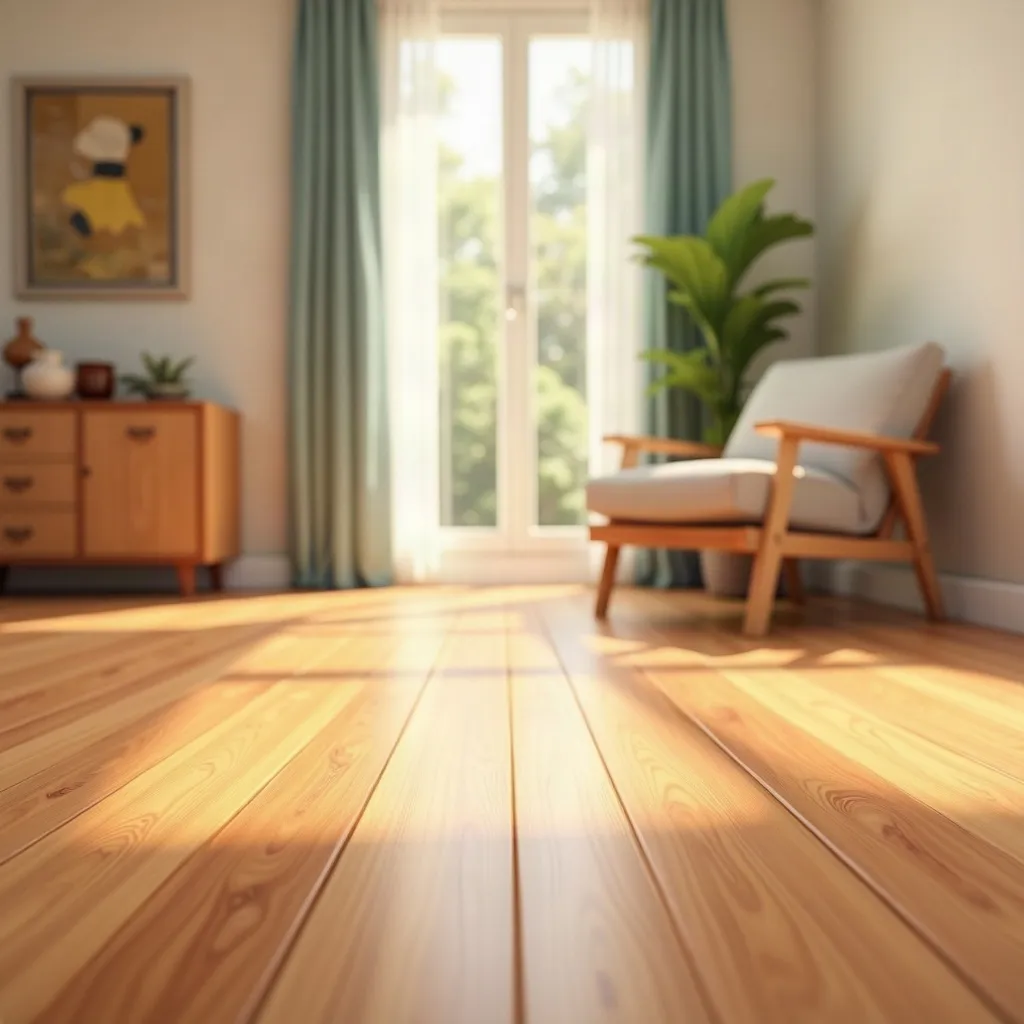
Why Investing in Professional Hardwood Restoration Is Worth It
The charm of beautifully restored hardwood floors often copyrights on the expertise of expert floor restoration specialists. Investing in such services not only enhances the aesthetic appeal of a home but also significantly prolongs the lifespan of the flooring. Professionals have expert understanding and tools that ensure a meticulous process, tackling imperfections and wear effectively.
In addition, their track record permits tailored strategies that satisfy the specific requirements of different wood types and finishes. This attention to detail can stave off subsequent damage and pricey repairs subsequently.
Moreover, a professionally revamped floor can enhance useful guide property value, making it a beneficial investment for homeowners. The effort and time conserved by retaining professionals further reinforce the cost, as they complete the job efficiently and safely. Ultimately, professional refinishing improves not just the floors, but the entire ambiance of a residential space, making it a option worth exploring.
How Hardwood Refinishing Happens
Hardwood refinishing involves a systematic approach that begins with a thorough preparation and assessment process. This first stage ensures that any existing damage is identified before the sanding and finishing techniques are applied. Understanding these steps is essential for achieving the best results in restoring the beauty of hardwood floors.
The Planning and Evaluation Procedure
Evaluating the state of the hardwood floor is crucial for a successful refinishing project. This process starts with a detailed inspection to identify any damage, such as scratches, dents, or water stains. Professionals typically look for indications of wear, moisture damage, and the overall integrity of the flooring. Once evaluated, the type of finish previously applied is noted, as this affects the refinishing approach. Measurements are taken to determine the square footage, directing material selection and cost estimation. Additionally, any necessary repairs, such as filling gaps or replacing damaged boards, are identified. This extensive assessment creates a foundation for a tailored refinishing plan, ensuring the final result fulfills the homeowner's expectations and enhances the floor's longevity.
Surface Sanding and Finishing Work
Sanding conditions the hardwood surface by getting rid of old finishes and irregularities, thereby exposing the fresh wood underneath. This necessary step involves using different grits of sandpaper, starting with coarse grit to wipe out deep scratches and worn areas. Gradual finer grits refine the surface, ensuring a smooth finish that improves the wood's natural character. After sanding, dust and debris are thoroughly removed to prevent imperfections in the final coating. Then, finishing techniques such as staining or sealing are applied to preserve the wood and enhance its appearance. Commercial-grade finishes provide durability and a lasting shine, guaranteeing the hardwood not only appears beautiful but also endures daily wear. Proper sanding and finishing techniques are essential for producing superior results in hardwood refinishing.
Premier Pluses of Professional Hardwood Refinishing Offerings
Transforming dull, deteriorated floors into beautiful displays is one of the most compelling reasons to consider professional hardwood refinishing services. These services not only revive the natural beauty of hardwood but also improve the overall appearance of a home. Professional refinishing can significantly boost property value, making it an appealing investment for homeowners.
Additionally, specialists apply high-quality materials and state-of-the-art techniques, providing a pristine outcome that self-help strategies often fail to achieve. As a result, improved durability, allowing surfaces to resist deterioration over time, which proves particularly valuable in high-traffic areas.
Moreover, seasoned refinishing minimizes dust and debris, creating a cleaner environment during the process. With a variety of finishes available, homeowners can modify their floors to match their style preferences. Ultimately, seasoned refinishing offers a blend of beauty, longevity, and increased home value, making it a worthwhile consideration for any hardwood floor owner.
Getting Your Home Prepared for Hardwood Restoration
Preparing a home for hardwood refinishing is essential to ensure a seamless and effective process. First, property owners should remove all furniture, rugs, and personal items from the area to establish a open work area. This not only protects belongings from dust and debris but also permits easy access for the refinishing team. Next, it is recommended to vacuum the floors completely, removing dust and dirt that may interfere with the refinishing process.
Homeowners should also consider securing pets in a distinct space to prevent them from wandering into the work zone and guarantee their safety. Additionally, it is wise to discuss any specific concerns or preferences with the refinishing professionals beforehand. Finally, ensure adequate airflow in the home, as refinishing materials can emit strong odors. By following these steps, homeowners can enable a more efficient and effective hardwood refinishing experience.
Common Missteps to Avoid When Refinishing Hardwood Floors
When refinishing hardwood floors, various typical blunders can weaken the results. Disregarding key preparatory work, using faulty sanding practices, and failing to implement proper finishing can produce unsatisfactory outcomes. Familiarity of these pitfalls is important for achieving a professional-looking finish.
Omitting Preparation Steps
incomplete inspection of the surface's state can also lead to missing necessary repairs. Consequently, thorough preparation is necessary to secure the complete groundwork is crucial to maintain the longevity and visual appeal of refinished hardwood floors, ultimately enhancing their aesthetic quality and investment value in any location.
Improper Abrasive Approaches
Poor sanding methods can significantly undermine the standard of hardwood floor refinishing. One typical mistake is sanding with variable pressure, which can produce dips or uneven surfaces. Moreover, selecting wrong grit paper can result in excessive removal of material, producing damage. Not sanding with the grain pattern may also leave visible scratches, diminishing the floor's overall appearance. Inadequate dust clearing between sanding passes can allow grit to mar the finish, damaging the final result. Finally, neglecting to shift between various grit levels can create an uneven and amateur appearance. Avoiding these problems is essential for obtaining a smooth, perfect finish that improves the natural beauty of hardwood floors.
Failing Adequate Finishing Work
Proper finishing is as essential as the sanding process in obtaining a superior hardwood floor refinishing. Many homeowners fail to recognize the importance of using the right finishes and application methods. Neglecting this step can result in uneven surfaces, poor durability, and dull appearance. Common mistakes include applying too few coats, using incompatible products, or failing to allow adequate drying time between layers. Furthermore, inadequate preparation, such as neglecting to clean the floor thoroughly, can weaken the finish's adherence and longevity. Professionals advise choosing high-quality finishes suited to the specific type of wood, guaranteeing a long-lasting shine. By emphasizing proper finishing, homeowners can improve the beauty and lifespan of their hardwood floors, avoiding the drawbacks of lackluster refinishing.
Maintaining Your Newly Completed Hardwood Floors
Keeping newly finished hardwood floors demands consistent care to maintain their appearance and longevity. Routine sweeping or vacuuming is crucial to remove dust and debris that can damage the surface. Using a soft-bristle broom or a vacuum made for hardwood prevents prevent damage.
Mopping must be done with a slightly wet microfiber cloth and a pH-balanced cleaner specifically formulated for hardwood. Too much moisture can result in warping, so it’s essential to refrain from soaking the floors.
Furthermore, arranging rugs in busy zones can lessen wear and tear. Residents should also pay attention to furniture positioning; placing cushioning pads beneath furniture legs can stop scratches.
Lastly, maintaining ideal humidity levels within the home can preserve the wood from dimensional changes and movement. Frequent assessments for signs of wear and addressing them promptly will ensure the floors preserve their elegant appearance for years to come.
Frequently Raised Inquiries
Hardwood Floors: How Often Do They Need to Be Restored?
Hardwood floors need to commonly be refinished every 7 to 10 years, contingent upon factors such as foot traffic, wear, and maintenance. Regular inspections can help determine the ideal timing for refinishing to maintain their appearance.
Which Varieties of Finishes Can You Get for Hardwood Floors?
Numerous finishes are accessible for hardwood floors, like oil-based polyurethane, water-based polyurethane, penetrating oils, and varnishes. Each possibility presents distinct durability, appearance, and maintenance requirements, enabling homeowners to select based on their specific needs.
Can It Okay to Stay in My Home During Refinishing?
Throughout the refinishing process, remaining in the home is generally discouraged because of dust, fumes, and potential hazards. Residents should think about a brief displacement to guarantee safety and comfort while the project is underway.
What timeline should you expect for the refinishing process?
The refinishing process normally takes 3-5 days, contingent on the size of the space and the scope of the work required. This timeline enables proper setting and hardening of the surface.
Is Hardwood Refinishing Hazardous to Youngsters and Companion Animals?
Hardwood refinishing is secure for children and pets when proper precautions are taken. Guaranteeing adequate ventilation, using low-VOC products, and allowing sufficient drying time diminishes risks, establishing a more secure setting throughout and following the process.
Report this page